The problem
Important hands-on skills are hard to scale when training depends on physical sessions, low-fidelity equipment and scarce specialist availability.
Healthcare training
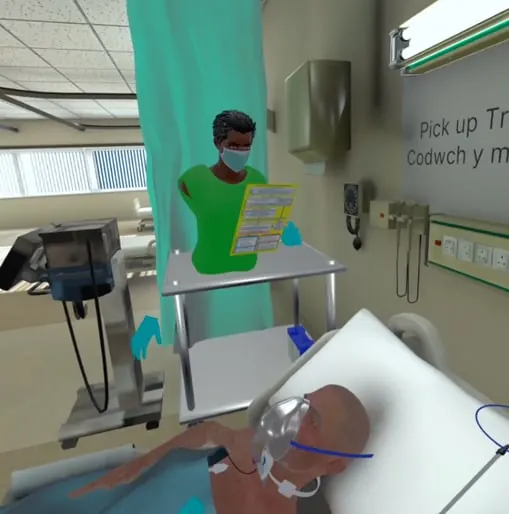
Mixed reality tracheostomy training for rehearsing high-pressure bedside procedures with hand tracking, tactile props and realistic clinical context.
Problem and solution
Tracheostomy care involves routine procedures and emergency moments where staff need to act quickly, confidently and correctly. Traditional training can depend on face-to-face sessions, basic mannequins and limited access to realistic clinical scenarios.
TrainTrach combines VR, audio, direct hand tracking and tactile objects to create a realistic bedside simulation. Trainees can practise procedures in a safer setting, while trainers can review performance and keep the experience aligned with established training materials.
The project was designed around the parts of tracheostomy training that are hardest to deliver at scale: urgent decision-making, physical interaction with equipment, consistent exposure to key scenarios and clear feedback for trainers.
Important hands-on skills are hard to scale when training depends on physical sessions, low-fidelity equipment and scarce specialist availability.
A portable mixed reality training kit recreates the sights, sounds and tactile interactions of bedside tracheostomy care.
The project was developed through SBRI-backed phases with clinical input, rapid prototypes, stakeholder review and iterative testing.
Direct hand tracking and real props support natural interaction rather than controller-only training.
Content was mapped against established tracheostomy training resources and competency expectations.
Training scenarios were designed to be demonstrated, tested, recorded and improved with stakeholders.
What the training includes
Trust signals
How we worked
The early phases focused on the technical risks that mattered most: whether hand tracking, object registration, tactile feedback and multi-user observation could work together in a safe and usable training setup.
Clinical stakeholders reviewed the procedure flow, equipment, terminology and training priorities. That feedback shaped the modules, the bedside scene, the tactile kit and the way the product could support both standalone and instructor-supported training.
TrainTrach shows how Nudge Reality turns specialist clinical requirements into usable immersive training: matching procedure steps, making equipment feel familiar and giving trainers a system they can evaluate.